

Product Categories
- > Digital Textile Printer
-
- Fedar Sublimation Textile Printer
FEDAR FD61916E Sublimation Printer FEDAR FD1924 Sublimation Printer FEDAR FD1912S Sublimation Printer FEDAR FD61915E-A Sublimation Printer FEDAR FD5198E Sublimation Printer FEDAR FD51915E Sublimation Printer FEDAR FD53215E Sublimation Printer FEDAR FD61915E Sublimation Printer FD6198E 8 Heads Printer FD6194E 4 Heads Printer FD5194E 4 Heads Printer FD5328E 3.2m Printer FD5193E 3 Heads Printer FD5268E 2.6m Printer FD1900 2 Heads Printer
- Fedar DTF Printer
FD11308 DTF Printer FD1808 DTF Printer FDA3 Pro DTF Printer A3 DTF Printer FDA3 DTF Printer FD70-5 DTF Printer FD60 DTF Printer FD70-4 DTF Printer
- Aulane DTF Printer
Aulane AL2808 DTF Printer Aulane AL2606 DTF Printer Aulane AL2604 DTF Printer Aulane AL2602 DTF Printer Aulane AL2302 DTF Printer Aulane AL2301 DTF Printer
- Fedar Sublimation Textile Printer
Pinch Rollers vs. Rubber Rollers: Which Drive System Is Right for Your Fedar Sublimation Printer?
2026-05-15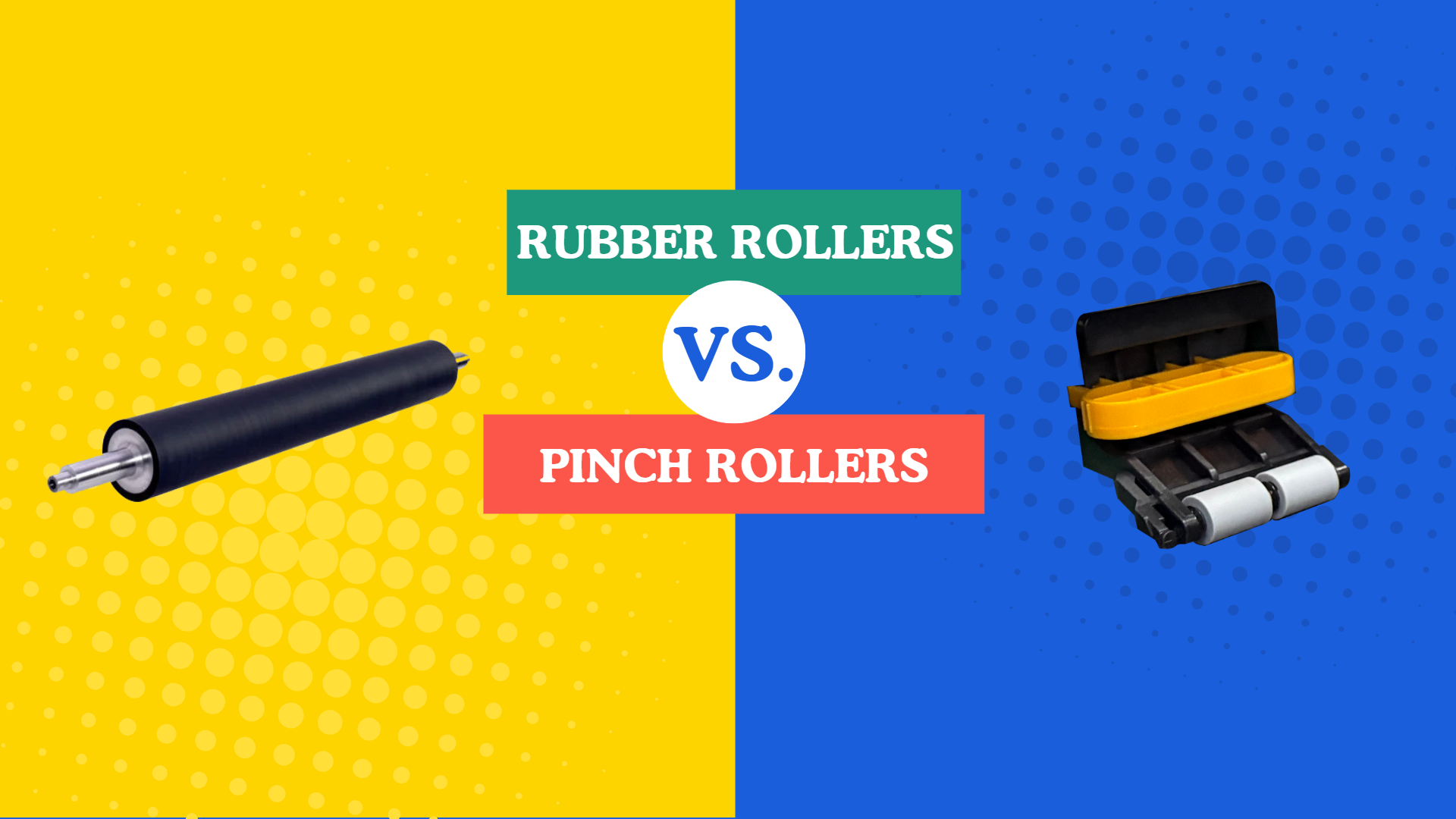
1. Wear Resistance
Pinch rollers: The cooperating paper feed shaft is made of rigid material, offering high wear resistance. Long-term use causes minimal wear, ensuring stable performance over years.
Rubber rollers: Made of elastic material, rubber rollers naturally have lower wear resistance. They are more prone to surface degradation over time, especially under high-friction conditions.
2. Purchase Cost
Rubber-roller drive systems are primarily used in large-scale printing equipment with long stepping lengths and high stepping frequencies – typically machines exceeding 500 m/h. The Fedar wide-format textile printer models that use rubber rollers involve higher manufacturing costs because:
The rubber roller unit itself is more expensive.
They require high-quality supporting devices (e.g., heavy duty tension systems, precision bearings), increasing overall system cost.
In contrast, pinch-roller drives are generally applied in small to medium-sized printing devices with speeds not exceeding 500 m/h. For many Fedar sublimation printer models in the entry-level and mid-range segments, the pinch-roller solution keeps purchase costs affordable while delivering reliable performance.
3. Operating Cost
a) Maintenance Cost
Pinch rollers: When pinch rollers wear out or get damaged, they can be replaced easily and inexpensively. End users can perform the replacement without professional technicians.
Rubber rollers: Damage to rubber rollers requires disassembly of the entire machine for repair or replacement. End customers cannot fix them on their own, leading to higher maintenance fees and longer downtime.
b) Energy Consumption Cost
Rubber-roller machines consume relatively higher power due to the extra torque needed to drive the heavy roller system. Pinch-roller equipment is more energy-efficient, resulting in lower electricity bills over time – a key advantage for small shops running a Fedar textile printer daily.
4. Ease of Operation
Rubber roller machines: They lack main unit support for structural strength and are fixed with two-point support via crossbeams. Paper alignment is achieved by winding the media back and forth on the rubber surface – a process that requires practice and can be time-consuming.
Pinch roller machines: Paper loading relies on four-point support fixed on the main unit of the roller crossbeam. This design eliminates the need for back-and-forth winding to achieve alignment, making operation more straightforward and faster. For a busy print shop using a Fedar sublimation printer, this translates to less setup time and fewer operator errors.
5. Application Types and Advantages
When to choose rubber roller drive (high-speed, large-format production):
Provides higher paper pulling strength and tighter media support.
Delivers more balanced and smooth paper feeding – ideal for industrial textile printers running at speeds exceeding 500 m/h.
Recommended for Fedar wide-format textile printers (e.g., models with 15+ printheads) that demand absolute stability for long runs.
When to choose pinch roller drive (small to medium-sized equipment):
For 15-head equipment and models with 15 heads or fewer, pinch-roller drive is fully capable of handling paper feeding.
Offers lower equipment cost, reduced long-term maintenance expenses, and lower operational consumption.
Perfect for Fedar sublimation printer models that serve start-ups, home-based businesses, or small print-to-garment shops.
Conclusion
Both pinch-roller and rubber-roller systems have their place in digital textile printing. If your priority is ultra-high speed (>500 m/h) and maximum stability for bulk production, a rubber-roller Fedar textile printer is worth the investment. If you value lower upfront cost, easy maintenance, and energy efficiency – especially for 15-head or smaller configurations – the pinch-roller drive on a Fedar sublimation printer is a smart, practical choice.
By understanding these differences, you can select the right media feeding system to match your production volume, budget, and long-term goals.