

Product Categories
- > Digital Textile Printer
-
- Fedar Sublimation Textile Printer
FEDAR FD61916E Sublimation Printer FEDAR FD1924 Sublimation Printer FEDAR FD1912S Sublimation Printer FEDAR FD61915E-A Sublimation Printer FEDAR FD5198E Sublimation Printer FEDAR FD51915E Sublimation Printer FEDAR FD53215E Sublimation Printer FEDAR FD61915E Sublimation Printer FD6198E 8 Heads Printer FD6194E 4 Heads Printer FD5194E 4 Heads Printer FD5328E 3.2m Printer FD5193E 3 Heads Printer FD5268E 2.6m Printer FD1900 2 Heads Printer
- Fedar DTF Printer
FD11308 DTF Printer FD1808 DTF Printer FDA3 Pro DTF Printer A3 DTF Printer FDA3 DTF Printer FD70-5 DTF Printer FD60 DTF Printer FD70-4 DTF Printer
- Aulane DTF Printer
Aulane AL2808 DTF Printer Aulane AL2606 DTF Printer Aulane AL2604 DTF Printer Aulane AL2602 DTF Printer Aulane AL2302 DTF Printer Aulane AL2301 DTF Printer
- Fedar Sublimation Textile Printer
The Essential Guide to DTF Hot Melt Powder for Perfect Transfers
2026-01-16What is DTF Hot Melt Powder?
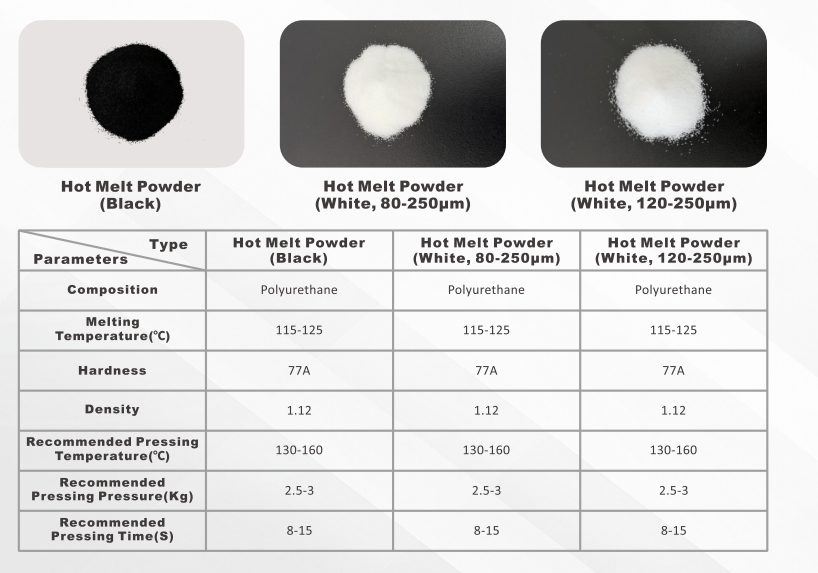
DTF Hot Melt Powder is a thermoplastic adhesive, applied as a fine dust to the wet ink printed on a PET film. After printing with a white underbase and colors, the powder is evenly distributed using a powder shaker or manually. When this powdered film passes through a heat press, the powder melts, creating a strong, flexible adhesive layer that permanently bonds the design to the garment upon cooling. Without this powder, the DTF transfer process cannot be completed successfully.
Key Properties of Quality DTF Powder
A superior DTF powder, like those compatible with a Fedar DTF printer system, offers a suite of essential properties for professional results:
Temperature Resistance: Performs consistently in a wide range, ensuring stability during the hot-press transfer and throughout the garment's life.
Chemical Stability: Resistant to water, acids, alkalis, and corrosion (oxidants, oils), preserving the print's integrity.
Soft Hand Feel: When melted and cured correctly, it creates a flexible adhesive layer that maintains the fabric's drape and comfort.
Choosing the Right Powder for Your Project
Selecting the correct powder type is as important as using a reliable Fedar DTF printer. Powders are categorized by particle size and specialized additives to match different fabrics and effects:
Soft Powder (80-170μm): Ideal for smooth fabrics like T-shirts and polos, providing a soft, seamless finish.
Coarse Powder (120-250μm): Designed for textured materials like denim, canvas, or linen, offering a stronger bond for rougher surfaces.
Anti-Stretch Powder: Formulated for elastic fabrics, maintaining adhesion and preventing cracks on stretchy materials.
Anti-Sublimation Powder: Essential for dark garments, it acts as a blocker to prevent the underlying fabric color or pattern from showing through the transfer.
Quick-Peel Powder: Enables immediate peeling of the film after pressing (hot peel), significantly speeding up production workflow.
Storage and Best Practices
To maintain performance, DTF powder must be stored in a sealed container in a cool, dry environment. Exposure to humidity causes clumping, leading to uneven application, poor adhesion, and flawed transfers—issues that can undermine the quality output of even the best Fedar DTF printer.
Conclusion: The Foundation for Professional Results